Bedtime Stories About the Ocean
The sea has a way of settling a busy mind. Its rhythm is slow and steady: waves in, waves out, a boat rocking gently, a lighthouse blinking at its own unhurried pace. That same rhythm makes ocean stories a natural fit for the last minutes before sleep.
This page has ideas for calm, sea-themed stories you can tell tonight, without any storm, shipwreck, or scary creature in sight. Just whales drifting, seals sunning on rocks, small boats coming home, and the quiet shore at the end of the day.
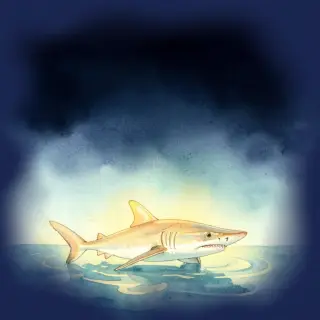
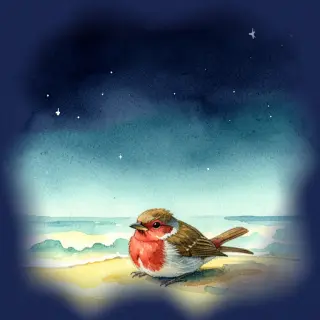
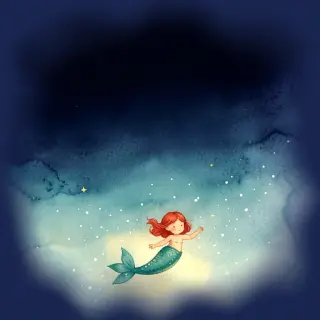
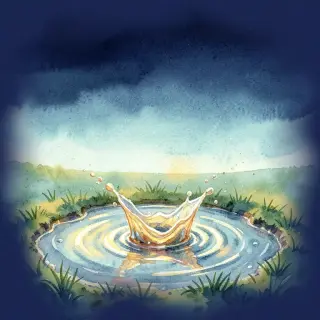
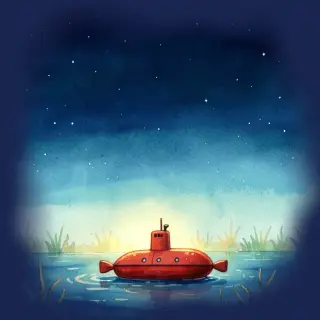
Example story covers
Examples of the illustrated books Once makes. Every family’s are their own.





Why the ocean works at bedtime
Water is one of the oldest, gentlest images we have for rest. A calm sea moves slowly. A whale surfaces, breathes, and sinks back down. A boat rocks side to side. None of it is urgent, and that slowness is exactly what a child's body and mind need before sleep.
The ocean also holds a lot of quiet, satisfying detail: the smell of salt air, the sound of gulls far off, the feel of cool sand, the small splash of a seal sliding into water. These sensory details give a story texture without adding excitement or plot tension, which is exactly the balance you want at bedtime.
Unlike stories with chases or danger, an ocean story can simply follow a day winding down. A boat returns to harbor. A lighthouse keeper lights the lamp. The tide comes in and smooths the sand. That kind of gentle, low-stakes journey is easy to follow with heavy eyes.
Keeping it calm
The ocean can turn frightening fast in stories, so it helps to steer clear of a few things: no storms, no sharks circling, no one lost at sea, no waves that knock anyone over. Keep the water calm and shallow, the weather clear, and every creature safe and unbothered.
Give your child a job to imagine, like helping a seal find a comfortable rock, or waving a boat safely into harbor. Small, gentle tasks like this give a story a satisfying shape without any real tension.
End on the shore, not the open water. A story that finishes with feet on sand, a boat tied up, or a lighthouse glowing steady is a good signal to a child's body that it is time to rest.
Right for ages 2 to 8
Younger children, around two to four, enjoy simple sensory moments: a seal barking softly, sand between the toes, a boat bobbing up and down. Keep sentences short and let the same soothing sounds and actions repeat.
Around five to six, children enjoy a bit more of a journey, like a small boat trip out and back, or a lighthouse keeper's quiet nightly routine. They like knowing what happens next, so a gentle, predictable pattern works well.
By seven or eight, children can follow a longer, calmer story, maybe with a bit of real ocean fact tucked in, like how whales breathe air just like we do, or how a lighthouse beam sweeps in a slow circle. Curiosity itself can be part of the calm.
Make it theirs
The most memorable ocean stories are often about a real place: a family beach, a lake dock, a harbor visited every summer. If your family has a spot like this, it is worth building stories around it, since children settle fastest into settings they recognize.
This is where Once can help. Once writes bedtime stories starring your own children, pets, grandparents, and places, so a story can be set at your family's actual beach, lake, or harbor, with your child as the one walking the shore or waving to the boats.
You read the story aloud yourself, from a calm, dark page designed for nighttime reading. While you read, you can choose Gentler, More, or Sleepy to guide what happens next, so you stay in control of the pace. Once a story is ready, it can be shared with family by private link, so grandparents can read the same story too.
Six ideas to tell tonight
- 1A small seal pup naps on a sun-warmed rock while the tide slowly comes in around her.
- 2A lighthouse keeper lights the lamp each evening and waves to the same fishing boat coming home.
- 3A gray whale and her calf swim slowly along the coast, surfacing now and then to breathe.
- 4A child helps a grandparent coil rope and tie up a little rowboat at the end of a quiet day.
- 5A hermit crab searches the tide pools for a new shell just the right size.
- 6A family walks the shore at low tide, collecting smooth stones and watching the gulls settle for the night.
Questions parents ask
Are ocean stories too exciting for bedtime, with all that open water?
They do not have to be. Keep the sea calm and shallow, avoid storms or danger, and end the story back on the shore. Framed this way, the ocean is one of the gentlest settings for a bedtime story.
My child is a little afraid of deep water. Should I avoid ocean stories?
You can still tell them, just keep the water calm, shallow, and safe in every story, and let your child guide how close to the water the characters go. If the worry feels bigger than storytelling can settle, it is worth mentioning to your child's doctor.
What is a good length for a bedtime ocean story?
For younger children, a few gentle minutes is plenty. For older children, five to ten minutes works well, especially if the story slows down and quiets near the end, much like the tide going out.
Can I include real ocean facts without making the story feel like a lesson?
Yes, small true details add richness without turning a story into a lecture. A whale breathing air, a lighthouse beam turning slowly, a seal's whiskers sensing the water are all true and can slip naturally into a calm story.
How does Once fit into ocean bedtime stories?
If your family has a real beach, lake, or harbor you visit, Once can write a story set right there, starring your own child, pets, and family. You read it aloud from a calm, dark page, choosing Gentler, More, or Sleepy as you go, and can share the finished story with family by private link.