Bedtime Stories About Space
Space is quiet, dark, and full of light, which is more or less what you want a bedtime story to be. Unlike a lot of exciting topics, space stories can slow a child down instead of winding them up. There is no rush to get anywhere. The moon is not going anywhere either.
This page has ideas for gentle space stories about the moon, stars, rockets, and comets, plus a few notes on keeping things calm and true. At the end, we describe how Once can turn a real trip through space into a story that ends, safely and reliably, back in your child's own bed.
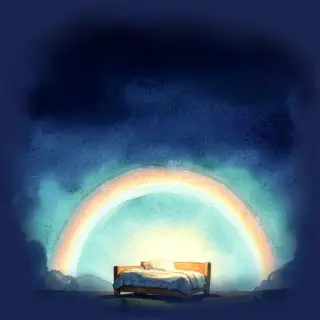
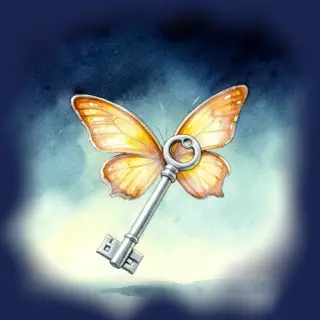
Example story covers
Examples of the illustrated books Once makes. Every family’s are their own.
Why space works so well at bedtime
A lot of bedtime topics involve motion, noise, or conflict. Space, done gently, involves almost none of that. A rocket can lift off softly and coast. The moon does not chase or hurry. Stars simply stay where they are, night after night, which is a quietly reassuring idea for a child who is looking for steadiness at the end of the day.
Space also has a natural shape for a bedtime story: you leave, you look around, you come home. That arc mirrors what bedtime itself is asking a child to do, which is to settle, however far their thoughts have wandered, and land softly.
Keeping a space story calm, not exciting
It helps to slow everything down. A rocket in a bedtime story does not need a countdown or a blast of noise. It can simply rise, the way a balloon does, while the ground gets smaller and quieter below.
Keep the sky friendly and mostly empty. A few stars, a moon, maybe one gentle comet passing at a distance, is plenty. There is no need for anything to go wrong, break, or run out of air. The best space bedtime stories are closer to floating in a quiet pool than to an action scene.
It is also worth keeping the facts simple and true. The moon does not follow anyone's house, though it can look that way. Stars are other suns, far off, not the same as our own sun. None of that needs explaining in detail at bedtime, but a story that gets it right tends to feel more grounded, even at its most imaginative.
What works at different ages
Around age two or three, children usually respond best to a single simple image: a soft rocket, a round moon, a bed floating gently among stars. Repetition matters more than plot.
Around four to six, children often enjoy a short, slow trip: up past the stars, a quiet look around, and a gentle return. A friendly moon or a sleepy comet can say a line or two, as long as nothing feels urgent.
By seven or eight, some children like a little more shape to the journey, maybe two stops instead of one, or a small task, like counting stars or finding a favorite constellation shape. Even then, the story should stay slow enough to read in a near-whisper, with plenty of quiet stretches for a child's mind to drift toward sleep.
Making a space story their own
A generic rocket story is nice. A story where your own child climbs into a rocket, sees the moon up close, and comes home to their own bed is usually more calming, because it ends exactly where they are.
This is where Once fits. You tell it who is in your family, whether that is your child, a sibling, a grandparent, or a pet, along with places that matter to you, and Once writes a story starring them. You read it aloud yourself, from a simple, dark page designed for low light and tired eyes.
While you read, you can choose Gentler, More, or Sleepy to guide what happens next, so you can ease off if a comet feels like too much excitement, or add a little more moon-gazing if your child wants to stay a while longer. A story about a trip to the moon can end, quite literally, back in your child's own bed. You can also share a story with family by private link, so a grandparent who loves stargazing can read it too.
Six ideas to tell tonight
- 1A child and their dog climb into a small rocket that lifts off slowly, coasts past a few friendly stars, and glides home to land right beside their own bed.
- 2A child takes their grandmother's hand and walks across the quiet, dusty moon, collecting three smooth moon-rocks before heading home for warm milk.
- 3A comet passes by at a gentle distance, and a child waves to it from their window before it continues on its long, slow path across the sky.
- 4A child and their favorite stuffed animal count stars together from the window of a rocket, naming shapes they recognize, until their eyes grow heavy.
- 5A child visits the moon for one quiet night, discovers it is smaller and closer than they imagined, and floats home wrapped in their own blanket.
- 6A sleepy star tells a child, in a soft voice, that it has been shining in the same spot for a very long time and plans to keep doing exactly that, all night, every night.
Questions parents ask
Is a space story too exciting for bedtime
It does not have to be. Keep the rocket slow, the sky mostly empty and quiet, and the ending a safe return home. Space stories can be some of the calmest bedtime stories, since there is no need for chases, danger, or loud noises.
What if my child is scared of the dark sky
Some children find a starry sky comforting once it is framed as familiar and friendly rather than vast or empty. If a fear of the dark or of the night sky feels persistent or distressing beyond normal bedtime hesitation, it is worth mentioning to your child's doctor.
Are there real facts I should stick to
A few simple ones help a story feel true: the moon does not follow anyone's house, though it can seem to; stars are distant suns, not the same as our own sun; and comets travel on long, slow paths and are not close to Earth. None of this needs a lecture, just quiet accuracy.
How does Once turn this into a personal story
You tell Once who is in your family and what places matter to you, and it writes a story starring them, such as your own child and pet taking a slow rocket ride to the moon and back to their own bed. You read it aloud from a calm, dark page, choosing Gentler, More, or Sleepy as you go.
Can grandparents see the story too
Yes. Any story made in Once can be shared with family by a private link, so a grandparent who loves the night sky can read the same moon trip.