Bedtime Stories for Kids Afraid of the Dark
A child who is afraid of the dark is not being difficult. The dark hides the familiar shapes of a room and asks a young imagination to fill in the blanks, and imaginations are very good at that job, sometimes too good.
Stories can help, not by pretending the fear is not real, but by giving a child a different, kinder story to fill the dark with: one where night is quiet and safe, home stays home, and the people who love them are close by.
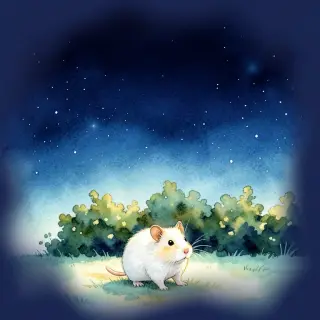
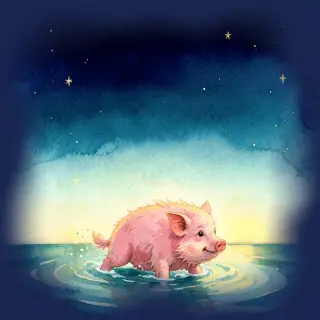
Example story covers
Examples of the illustrated books Once makes. Every family’s are their own.





Why stories help at bedtime
Fear of the dark often comes from uncertainty. A child cannot fully see the room, so their mind offers guesses, and at night the guesses tend toward the unsettling. A calm story works against that by filling the same dark with something specific and safe instead: a familiar bear settling down for sleep, a small boat resting on still water, a bedroom exactly like theirs where nothing is wrong.
Hearing the same comforting scene, in the same steady voice, night after night, gives a child something reliable to hold onto. Over time the dark starts to feel less like an unknown and more like the room it always was, just with the lights off.
This is not a fix for every worry. If a child's fear is intense, lasts a long time, or is affecting their sleep in a bigger way, it is worth mentioning to their doctor.
Keeping the story calm
A story meant to ease fear of the dark should never introduce anything that could add to it. That means no monsters under any bed, no sudden noises, no characters who are lost or in danger, even ones who end up fine. The goal is steadiness, not a plot to resolve.
Gentle, low-stakes choices work well: a character who notices the dark is only the room with the lights off, a night walk where the stars and moon are simply there and unbothered, a return to a warm bed at the end. Keep the pace slow. Let the last lines be quiet and repeat a comforting phrase if your child likes that.
If your child asks questions mid-story, answer briefly and truthfully, then return to the story. Calm, factual answers about the dark tend to reassure more than elaborate reassurance does.
What works at different ages
For toddlers and young preschoolers, around ages 2 to 4, keep stories very short and very simple: a favorite stuffed animal going to sleep, a soft light staying on, a parent nearby. Repetition of the same few lines is soothing at this age, not boring.
For children around 5 to 6, you can add a little more gentle detail: a short walk to look at the stars before bed, a night-light doing its quiet job, a pet curled up asleep in the same house. Simple, true facts about night can help too, like the fact that the moon is just very far away and does not follow anyone.
For children 7 to 8, stories can include a touch more narrative, such as a character who used to feel nervous at night and now has a small routine that helps, without ever centering on fear itself. Let your child's own reactions guide how much detail feels right.
Making the story theirs
A story feels most reassuring when it is unmistakably about a child's own safe world. Once writes bedtime stories starring your own children, pets, grandparents, and the places they know, so the safe bedroom, the sleepy pet, and the person tucking them in can all be recognizably theirs.
You read the story aloud yourself, from a calm, dark page designed for the last few minutes before sleep. While you read, you can choose Gentler, More, or Sleepy to shape what comes next, so you can ease the pace or wind things down the moment your child needs it.
Once a story is one your family likes, you can share it by private link, so it is ready for any night, or for grandparents to read at bedtime too.
Six ideas to tell tonight
- 1A small night-light keeps gentle watch over a bedroom exactly like your child's while everyone in the house sleeps soundly.
- 2A child and their pet take one last look out the window at the stars before climbing into a warm, cozy bed.
- 3A stuffed animal who used to feel nervous at night now has a small bedtime routine that helps, and shares it kindly.
- 4A grandparent tells a child that the moon is simply very far away in the sky and cannot follow anyone home.
- 5A family dog curls up at the foot of the bed, staying close all night while the house goes quiet and still.
- 6A child discovers that their dark room is the same friendly room it always was, just with the lights turned off.
Questions parents ask
Is it normal for a young child to be afraid of the dark
Many young children go through a period of being uneasy about the dark, often because their imagination fills in what they cannot clearly see. A calm bedtime routine and reassuring stories can help. If the fear feels intense or ongoing, it is a good idea to check in with your child's doctor.
Should a bedtime story mention the fear directly
It can, gently and briefly, especially for older children who like to hear their own experience reflected back. For younger children, it is often more soothing to skip the fear entirely and simply tell a calm, safe story set at night.
What should I avoid in a story for a child afraid of the dark
Avoid anything hidden, lost, or in danger, even briefly, along with sudden surprises or spooky imagery. Keep the story steady and predictable from beginning to end.
Does a night-light help with fear of the dark
Many families find a soft night-light helpful, since it removes some of the uncertainty of a fully dark room. It is a personal choice, and there is no single right answer for every child.
How can Once help with this specific fear
Once writes a bedtime story starring your own child, in their own home, with their own pets or family nearby, so the safe, familiar dark of the story matches the safe, familiar dark of their real room. You read it aloud from a calm, dark page, and can steer it toward Gentler or Sleepier as you go.